
You’ve probably heard the rumors, but as of today, February 26, 2026, it’s official: the Department of Labor (DOL) just shifted the goalposts on how we define “who works for whom.” If you sell HR technology—HRIS, payroll, contractor management, workforce platforms—your roadmap just got a lot more interesting.
Let’s face it: the line between an independent contractor and an employee has always been a bit blurry, especially when your customers are moving fast and managers are improvising. But this new proposed rule aims to clear the fog by returning to a streamlined “economic reality” test.
What if your product could help customers navigate these compliance shifts—without the constant fear of a misclassification lawsuit?
Good news: you don’t need to be a labor attorney to lead here. You just need to understand the new rules of the game—and build clear guardrails, smarter workflows, and better documentation into your platform. No jargon. No fear.
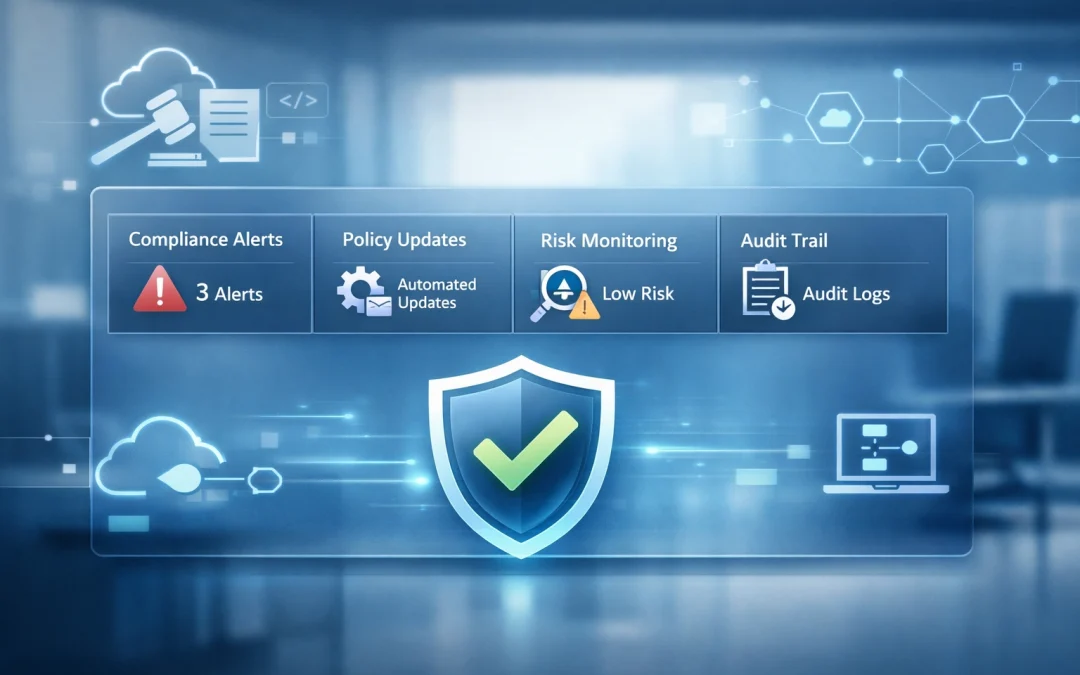
Here’s the thing: as our VP of Research & Insights, Tami Nutt, puts it, “Compliance is my love language.” And she’s right to push that energy into product: HR tech is essential for keeping up with changing laws because it can automate policy updates, standardize workflows, and monitor risk signals before they turn into expensive surprises.

👉 Download the HR Compliance Technology Category Guide to see where compliance features fit across the HR tech landscape: https://jumpstart-hr.com/hr-compliance-technology-category-guide-aspect43-hr-technology-research/

👉 HR Tech Vendors: We want to hear from you! Schedule a briefing with our research team to share your latest innovations. https://calendly.com/aspect43/analystteam?back=1
The 2026 Update: Back to the “Economic Reality”
The DOL is essentially hitting the “reset” button. This new proposal moves away from the more complex 2024 framework and returns to a streamlined analysis similar to the 2021 standards. The core of the issue? The economic reality of the relationship.
The DOL wants to know one thing: is the worker truly in business for themselves, or are they economically dependent on your company? To figure this out, they are leaning heavily on two core factors:
- The Nature and Degree of Control: Does the worker set their own hours? Do they use their own tools? Or are you managing them like a traditional W-2 employee?
- Opportunity for Profit or Loss: Can the worker make more money through their own initiative and investment, or is their income capped by the tasks you assign?
Other factors, like the permanence of the relationship and the level of skill required, still matter, but they are no longer the stars of the show. The “Actual Practice” of the work is now the gold standard.
“Compliance isn’t about the contract you signed; it’s about the daily reality of how work gets done.”
The Technology Take: What Your Buyers Will Expect From Vendors Now
For your customers, this change is a double-edged sword. On one hand, the “economic reality” test offers more flexibility. If they’re engaging a specialist for a specific project—and that person truly runs an independent business—they’ll have a stronger case for contractor status.
On the other hand, the burden of proof has shifted. Your buyers can’t just slap an “Independent Contractor Agreement” into a folder and call it a day. Documentation is now the lifeline—and they’ll look to your platform to make it easy.
Think of your product like Iron Man’s suit. Your customer is the pilot (the HR leader or ops owner), but the suit (your software) has to provide the data and protection to help them fly straight. If your system isn’t capturing signals of day-to-day control—schedule assignments, required check-ins, manager directives—your customer is flying blind.
Here’s the nuance you can’t ignore: even if the federal government gives a green light, states like California and New Jersey still have stricter tests. Your platform needs to be location-aware—and smart enough to flag risk based on where the worker is sitting.
📥 Want a clearer view of where compliance tooling fits (and where it doesn’t)? Download the HR Compliance Technology Category Guide: https://jumpstart-hr.com/hr-compliance-technology-category-guide-aspect43-hr-technology-research/

Why This Is a Product Moment for HR Technology Vendors
If you’re a vendor in the HR tech space, this isn’t just a regulatory update—it’s a massive market signal. The landscape for labor compliance is shifting from “static” to “dynamic.”
Your buyers are no longer looking for a digital filing cabinet for their 1099 contracts. They’re looking for a compass. Vendors who treat this as a “legal problem” rather than a “product opportunity” will get outpaced.
Here is why you need to pay attention:
- The risk has mapped to the user experience: If your platform makes it too easy for managers to treat a contractor like an employee (rigid scheduling, performance reviews, mandatory daily standups), you can accidentally create compliance liability for your customer.
- The demand is for guardrails, not PDFs: Buyers want workflows that guide behavior—prompts, warnings, approvals, and audit trails that surface risk before the DOL does.
- The integration gap is now a revenue gap: Compliance requires a fuller picture—work location, tenure patterns, control signals, and “in business for themselves” indicators. Vendors that can connect the dots (without creepy surveillance) will win deals.
“If your product shapes behavior, it shapes compliance.”
👉 Download the HR Compliance Technology Category Guide to benchmark what “good” can look like by category: https://jumpstart-hr.com/hr-compliance-technology-category-guide-aspect43-hr-technology-research/
The Opportunity: Innovation That Strengthens Outcomes
Every time the DOL “flips the script,” a new door opens for innovation. This rule change is a golden opportunity for HR tech vendors to move from being a “cost center” to a “value creator.”
Imagine a world where your HR software doesn’t just store a contract, but actively monitors the health of the contractor relationship. We are seeing a move toward:
- Automated Compliance Checks: AI-driven tools that analyze contracts against the latest DOL and state-level standards in real-time.
- Behavioral Data Analysis: Systems that look at “actual practice.” If a manager is sending “urgent” Slack messages to a contractor at 8:00 AM every day, the system should gently nudge the manager: “Hey, this looks like employee-level control. Are we sure they’re still a contractor?”
- The “Entrepreneurial Scorecard”: Tools that help contractors document their own business health (insurance, other clients, investments), which in turn protects the company hiring them.
This kind of innovation doesn’t just prevent lawsuits; it strengthens trust between your platform and your customers. It keeps their teams moving fast—without crossing lines they didn’t even realize they were crossing.
As Tami Nutt frames it: when laws change, buyers don’t want to re-train every manager from scratch. They want their HR tech to push policy updates automatically and continuously monitor risk—so compliance doesn’t rely on perfect human memory.
“The best HR tech makes compliance feel automatic—because the rules update, and the risks surface, without anyone chasing spreadsheets.”
3 Steps to Turn the 2026 Rule Into a Vendor Advantage
You don’t have to overhaul your product overnight. Start small, win big. Here’s a 3-step plan to stay ahead of the DOL’s latest move—and help your buyers do the same:
1. Surface Risk in the Workflow
Don’t wait for customers to “figure it out.” Identify the moments where misclassification happens—assignment setup, scheduling, approvals, performance feedback, time tracking—and add lightweight guardrails (prompts, warnings, required fields). You’ll reduce risk and support adoption because you’re meeting managers where they work.
2. Build Evidence, Not Just Documents
Contracts matter, but the DOL cares about actual practice. Add audit-friendly artifacts: role-based approvals, change logs, policy acknowledgements, and relationship “health checks” that can be exported in minutes. Your customer gains confidence—and you reduce escalations when legal gets involved.
3. Make Compliance Local and Comparable
Multi-state reality is the default now. Add worker-location awareness, state-specific rule flags, and a consistent way to compare engagements against the “economic reality” factors. Your customer gets clarity, and you get a clear story for sales: we help you operate everywhere without guessing.
📥 Want to map these capabilities to the right HR tech categories (and spot gaps fast)? Download the HR Compliance Technology Category Guide: https://jumpstart-hr.com/hr-compliance-technology-category-guide-aspect43-hr-technology-research/

Don’t Get Left Behind, Vendors
The DOL’s 60-day public comment period ends on April 28, 2026. That’s your window to adjust messaging, roadmap, and enablement before buyers start asking tougher questions—and before your competitors position themselves as the “compliance-forward” option.
The shift toward a more flexible, reality-based test is a win for modern work. But flexibility requires responsibility. The vendors who help customers operationalize that responsibility—through better UX, smarter guardrails, and exportable evidence—turn compliance from a headache into a competitive advantage.
This isn’t about building legal advice into software. It’s about building systems that help people do the right thing by default.
👉 📥 Download the HR Compliance Technology Category Guide to benchmark features, clarify category expectations, and prioritize what to build next: https://jumpstart-hr.com/hr-compliance-technology-category-guide-aspect43-hr-technology-research/
“The best compliance feature is the one that prevents the mistake—before it becomes a case.”
Ready to make your platform the obvious “safe choice” for buyers? Start with the guide—then tighten your compliance story. You’ve got this.
Keep reading


Get HR updates in your inbox
Practical HR guidance, fresh research, and new podcast episodes delivered to your inbox — so you never have to go searching. Join free.