
The Five Workforces
Five kinds of organization, sorted by how deeply AI agents are woven into the work. A map of the hybrid workforce — not a maturity ladder.
What are The Five Workforces? Five archetypes describing how an organization is built around people and AI agents: The Free-for-All, The Augmented, The Delegators, The Orchestrated, and The Autonomous. Developed by Jumpstart HR Research, the model sorts organizations by depth of agent adoption and the governance posture that defines each stage. Critically, it is a map rather than a ladder — no archetype is inherently better than another.
Agents are already in your workforce
A hybrid workforce shares the work between people and AI agents — software that takes action, not just answers questions. The only real question is how your organization is built around them. Agents arrive through two different doors, and most organizations have both open at once.
Through systems you already own
HR, payroll, and workforce platforms increasingly ship agents inside them. Turned on by the company, governed by default, and visible to whoever administers the system.
Through tools an individual picks up
Someone opens a general-purpose AI tool and puts an agent to work in minutes — with or without approval. Fast, capable, and largely invisible to the organization.
The distinction that matters is governed-and-visible versus individual-and-invisible — not which kind of worker does which. Both doors are open in most organizations, at every level, and the gap between them is where unmanaged risk accumulates.
A map, not a ladder
No archetype is “better.” They behave like forms of government — a republic isn’t better than a monarchy; each fits a different people and a different set of expectations. The right archetype is the one that fits how your business is actually built.
Fit beats altitude
A frontline hospital sitting at an early archetype is not “behind” a software startup. The mistake is being at the wrong archetype for who you are — not being at an early one.
Most organizations are a federation
Stores in one archetype, headquarters in another, and a shadow free-for-all in the seams. Naming that internal split is half the value of the framework.
The five archetypes
Sorted by depth of agent adoption. Read them looking for recognition, not aspiration — the goal is to find where you honestly are, and most organizations find themselves in more than one.
 1
1The Free-for-All
People are using AI on their own initiative, with their own accounts, on work they care about. Nobody sanctioned it and nobody is tracking it. This is where most organizations actually are the first time they look honestly — and finding yourself here is not a failure of leadership. It is what happens when useful tools become free and obvious before policy catches up.
You cannot name which tools your team uses, nobody owns AI policy, and you have heard about a use case secondhand.
Watch-out: Hidden risk and no shared learning. The same problem gets solved five times in five places, and none of it is reviewable.
If this is you: Find out what is already happening before you write a policy about it. An amnesty conversation surfaces more than an audit does.
 2
2The Augmented
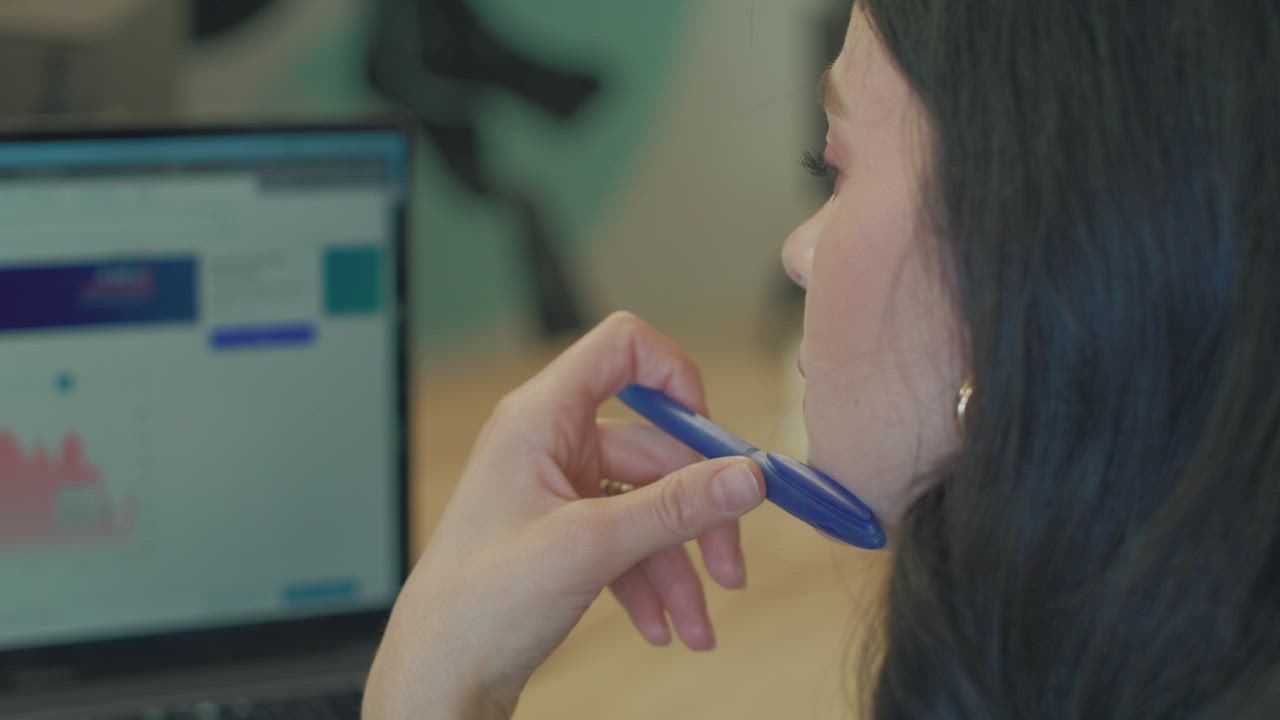
The company has sanctioned tools and given people access. The work itself has not changed — a person still does the task, now with help. This is a genuinely sensible place to operate, and plenty of organizations should stay here deliberately rather than pushing further.
You have licenses, you have a policy, and you would struggle to point at a process that runs differently than it did last year.
Watch-out: Shelfware. Access was bought, adoption never happened, and renewal is coming.
If this is you: Measure use, not seats. If a team is not using it, find out whether the tool is wrong or the workflow never changed.
 3
3The Delegators
People now hand whole tasks to an agent and review what comes back. This is the first stage where the shape of the work genuinely changes, and where job design starts to matter — because “review the output” is a real skill that nobody has been trained in.
Someone on your team routinely gives an agent a complete task and their main job is checking the result.
Watch-out: Rubber-stamping. Review becomes a formality, quality drifts, and nobody notices until something reaches a customer or an employee.
If this is you: Define what review actually means for each task type, and give reviewers the authority and the time to send work back.
 4
4The Orchestrated
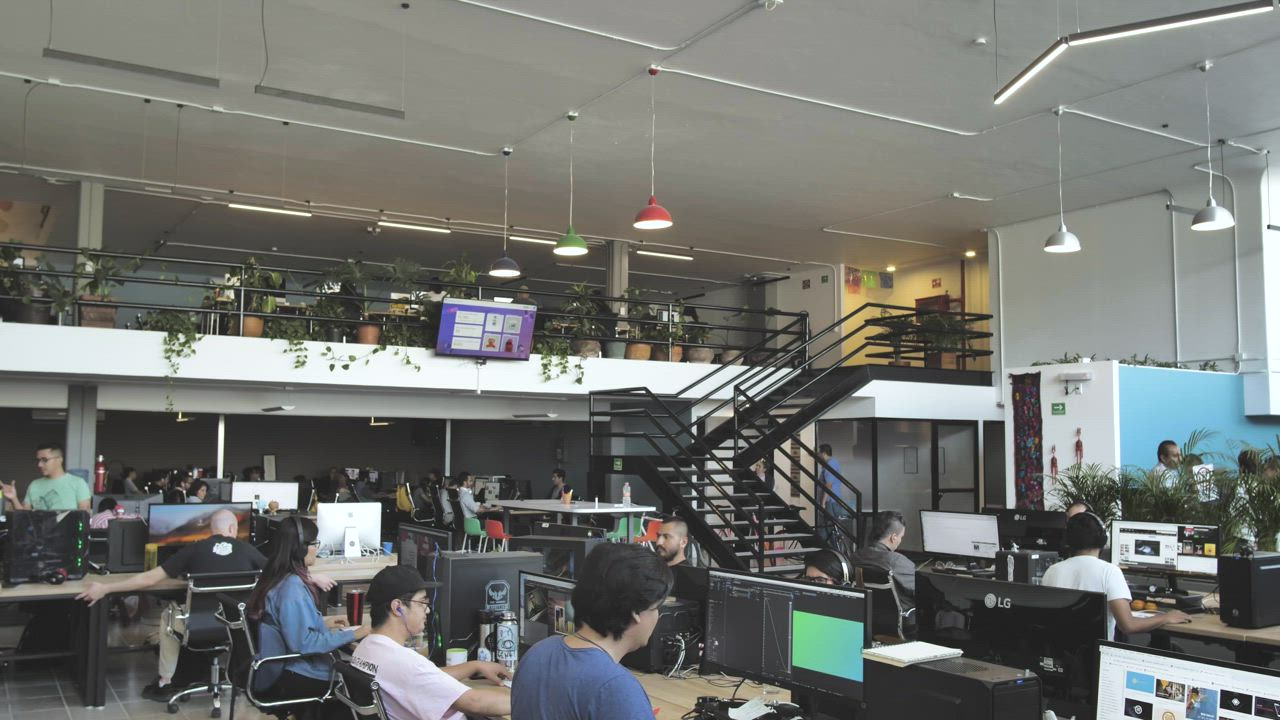
People and agents run as one workforce, with someone accountable for how the whole system behaves. Work is designed deliberately across both. This takes real investment in governance, and it is why most organizations that claim to be here are actually in stage two or three.
There is a named owner for agent governance, agents are provisioned and offboarded like people, and you can answer who approved a given workflow.
Watch-out: Governance so heavy that nothing moves. Every change needs a committee, and shadow usage restarts in the gaps.
If this is you: Govern by risk tier, not uniformly. Low-stakes work should not carry the same approval burden as anything touching pay or personal data.
 5
5The Autonomous
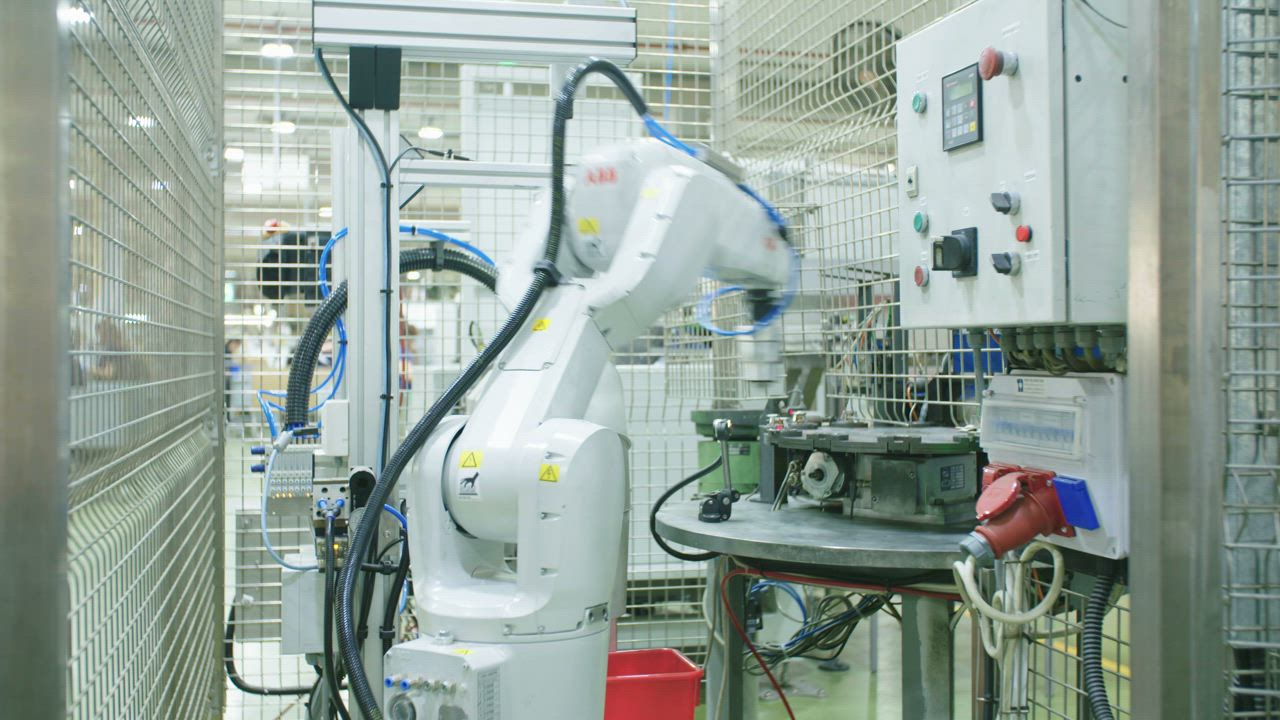
Substantial parts of the business run without a person in the loop. People set direction, handle exceptions, and exercise judgment where it genuinely matters. Very few organizations belong here, and arriving by drift rather than by decision is the dangerous version.
Core processes complete end to end without human action, and your people spend their time on exceptions and direction.
Watch-out: Fragility and the erosion of human judgment. When something breaks, the people who understood the process may no longer be there.
If this is you: Protect the judgment. Keep humans genuinely practiced at the work you have automated, or you lose the ability to catch it going wrong.
How The Five Workforces connects to B.R.I.D.G.E.
Our research runs on two streams, and they are two halves of one story: Buying → Becoming. B.R.I.D.G.E. describes how you buy the technology. The Five Workforces describes what your organization becomes once it arrives.
Every tool a team acquires lands them in an archetype. Every archetype they aim for drives new buying. Choosing technology without naming the workforce you are becoming is how organizations end up equipped for the company they used to be.
Put it to work
Free assessment
Eight questions, one honest read on how your people and your agents work together today. Find your archetype →
Practitioner guide
Both frameworks explained for HR teams, with worksheets. Get the free guide →
For HR tech vendors
See what workforce your customers are becoming, and how to position for it. Get the vendor deck →
Talk to the research team
Book an analyst briefing or discuss a research engagement. Book a briefing →
Frequently asked questions
What are the five workforce archetypes?
The Free-for-All, The Augmented, The Delegators, The Orchestrated, and The Autonomous — sorted by how deeply AI agents are integrated into the work and how that integration is governed.
Is this an AI maturity model?
No, and the distinction matters. A maturity model implies later stages are better and everyone should climb. The Five Workforces is an identity, not a score. The right archetype is the one that fits how your business is built — a frontline organization operating well at an early archetype is not behind anyone.
Can an organization be more than one archetype at once?
Almost all are. Stores or clinics may sit in one archetype while headquarters sits in another, with an ungoverned free-for-all running in the seams. Naming that federation honestly is often the most valuable output of the exercise.
What is a hybrid workforce?
A workforce that shares the work between people and AI agents — software that takes action rather than only answering questions. Agents enter either through platforms the company already owns or through general-purpose tools individuals adopt on their own.
Should every organization aim for The Autonomous?
No. Autonomous carries real failure modes of its own: fragility and the erosion of human judgment. Depth of adoption should follow the shape of your business, your risk tolerance, and your regulatory environment.
Is The Five Workforces free to use?
Yes. The model is published openly and free to apply inside your organization. We ask that published references cite Jumpstart HR Research. Benchmark data and facilitated sessions are separate.
Which of the five are you?
Eight questions and an honest read on how your people and your agents actually work together.